MobLand Season 1 Episode 1, “Stick or Twist”: Every Beat of That Brutal Opening Gambit
Guy Ritchie’s MobLand doesn’t ease anyone in gently. The series premiere, “Stick or Twist,” drops viewers straight into the middle of London’s underworld and makes it clear within minutes that this isn’t just another mob show—it’s a full‑scale power game where family loyalty, business strategy, and personal survival are constantly colliding.
Created by Ronan Bennett and co‑written with Jez Butterworth, the series is directed in its pilot by Guy Ritchie and anchored by Tom Hardy as fixer Harry Da Souza, Pierce Brosnan as crime patriarch Conrad Harrigan, and Helen Mirren as matriarch Maeve Harrigan. The episode debuted on March 30, 2025 on Paramount+, dropping at 3:00 a.m. ET / 12:00 a.m. PT as part of a weekly Sunday rollout.
The numbers show that this opening move landed. Paramount+ reported 2.2 million global viewers on day one, calling it the biggest global series premiere in the streamer’s history, with the premiere episode climbing to 8.8 million viewers in its first week and the series hitting 26 million viewers by late June 2025. Paramount Co‑CEO Chris McCarthy labelled MobLand “a runaway success” and an example of their “fewer, bigger, breakthrough series” strategy.
Against that backdrop, Episode 1 had a lot riding on it—and it delivers a dense, tightly woven hour that sets up the entire season’s conflict.
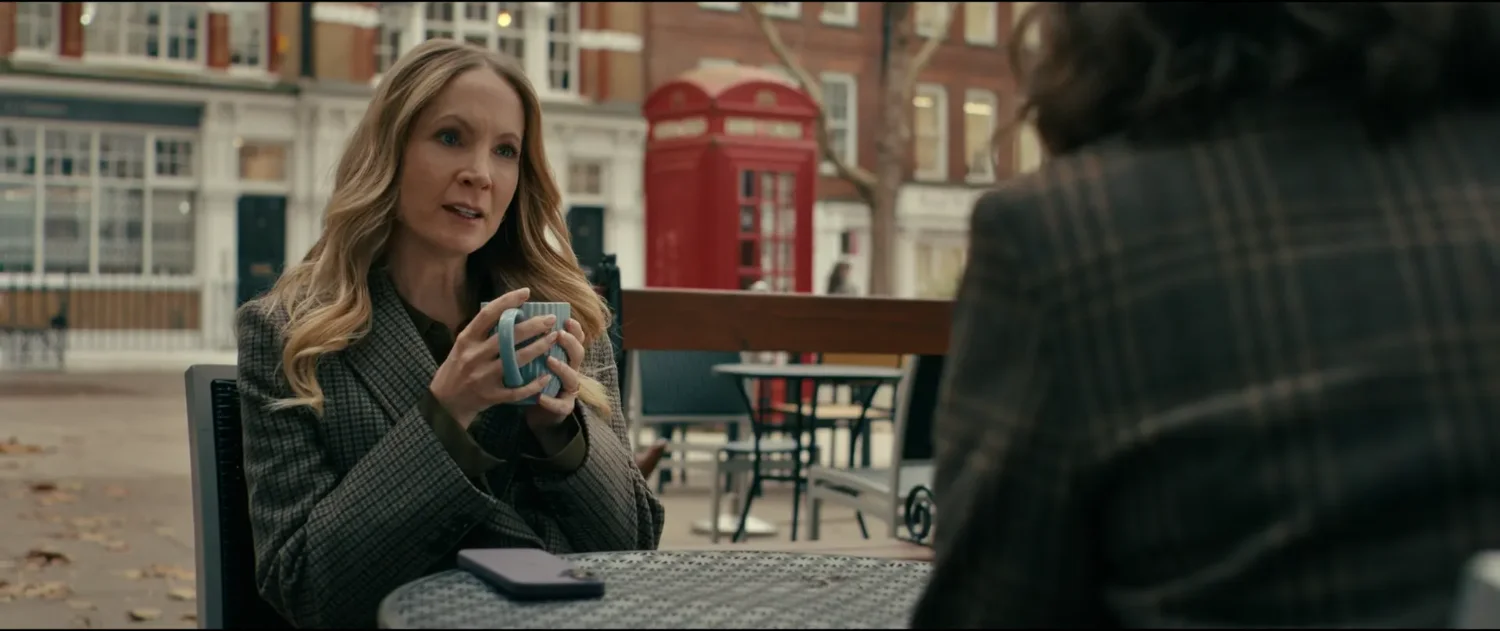
Setting the Pieces: Harry’s “Peace Deal” That Ends in a Massacre
“Stick or Twist” opens by establishing who Harry is and what kind of world we’re in.
We meet Harry Da Souza as a man trying to bring order to chaos. He’s brokering peace between two Harrigan‑aligned gangs, the Dogans and the Lazarous, whose leaders Costa and Mehmet have been at each other’s throats. The setting—shot partly at The Midland Grand restaurant inside London’s St Pancras Renaissance Hotel, according to location reports—immediately signals the show’s blend of polished surfaces and brutal undercurrents.
Harry manages to get Costa and Mehmet to shake hands. On the surface, it’s a classic Ritchie‑style “everyone’s reasonable” moment. In interviews, Tom Hardy has called Harry a “reasonable gangster”, someone who can move quietly between the street and “corridors of power,” letting people believe he’s the calm grown‑up in the room even while he’s capable of “very unreasonable stuff.”
That duality is exposed almost immediately. After the handshake, Harry reports to his boss, Conrad Harrigan, at the Harrigan estate (filmed at Waverton House in Gloucestershire). Conrad informs him that both gangs have been skimming. The peace Harry just negotiated? Meaningless.
Conrad orders that Costa, Mehmet, and their crews be wiped out.
Harry carries out the orders. What began as mediation ends in a double massacre: the two gangs are taken off the board and the Harrigans prepare to step into the vacuum. As TechNadu’s recap notes, Conrad’s larger play is to cut a new deal with a Maltese supplier and take over the heroin territory on better terms—reportedly about 20% more favourable than before.
In under ten minutes, the show has:
- Defined Harry as a fixer whose diplomacy is always backed by violence.
- Established Conrad as a leader willing to annihilate his own people for profit.
- Telegraphically shown that “peace” in MobLand is just another stage in a business plan.
Parallel Chaos: Eddie & Tommy’s Terrible Night Out
While Harry is turning a peace conference into a bloodbath, the next crisis is already brewing across town.
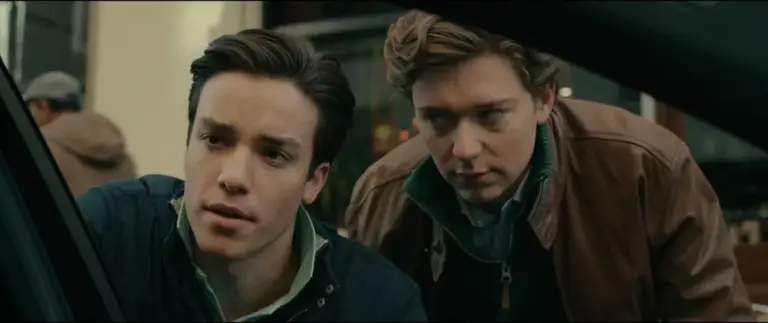
The episode cross‑cuts to a coke‑and‑vodka‑fuelled night in London’s club scene. Eddie Harrigan (Conrad’s grandson, son of Kevin and Bella) is partying with Tommy Stevenson, the son of rival boss Richie Stevenson, plus two of Tommy’s mates. Location coverage identifies their Mayfair starting point as the private club Loulou’s at 5 Hertford Street, adding a very real layer of West London privilege to the boys’ antics.
From there, they move to a throbbing techno club, a fictionalised version of FOLD in Canning Town, where the atmosphere turns uglier. Eddie, already high and paranoid, bumps into another man on the dance floor: Hughie Campbell.
Words are exchanged. No one intervenes. Eddie pulls a knife and stabs Hughie.
Panic erupts. Eddie bolts from the club, shaken and messy, with Tommy briefly following. On the street, Eddie tries to reassure Tommy and promises to make it right—but after this moment, Tommy effectively vanishes from the narrative. He never makes it home, and that silence becomes the match that’s going to ignite a gang war.
What’s striking about the way Episode 1 structures this is how small the inciting incident is compared to the fallout. One stab in a crowded club, one impulsive act by a pampered grandson—and suddenly, two crime families are on a collision course.
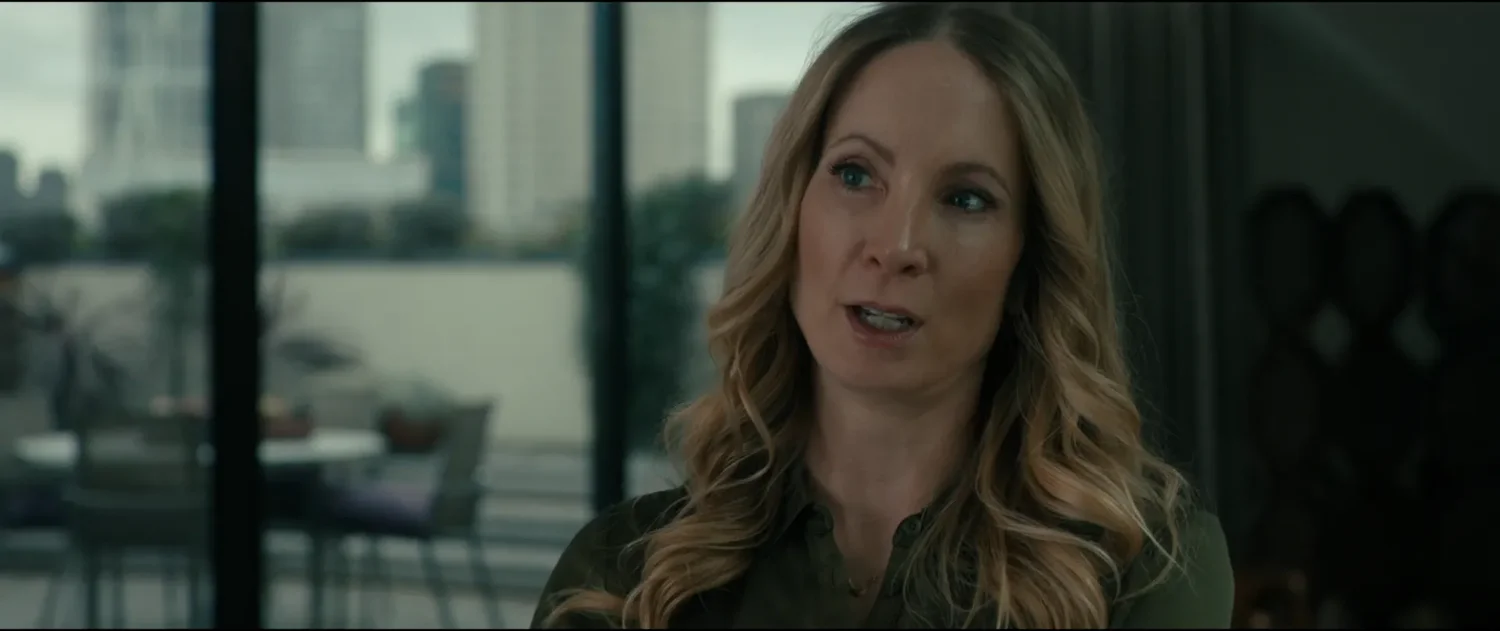
The Fixer at Work: Harry Erases a Crime Scene
By the next day, the panic has moved upstairs to the Harrigan inner circle. Kevin Harrigan calls Harry, rattled. His son Eddie was involved in a stabbing. Conrad must not find out—at least, not before someone has had a chance to clean up the mess.
Harry swings into action, showing precisely why he’s indispensable to the family.
First, he interrogates Eddie, forcing him to admit where he was and what happened. Then he starts pulling on the threads that could tie Eddie to the crime:
- At the nightclub, Harry confronts Valjon, the owner. Gun visible, he forces Valjon to erase the CCTV footage and line up a fake narrative.
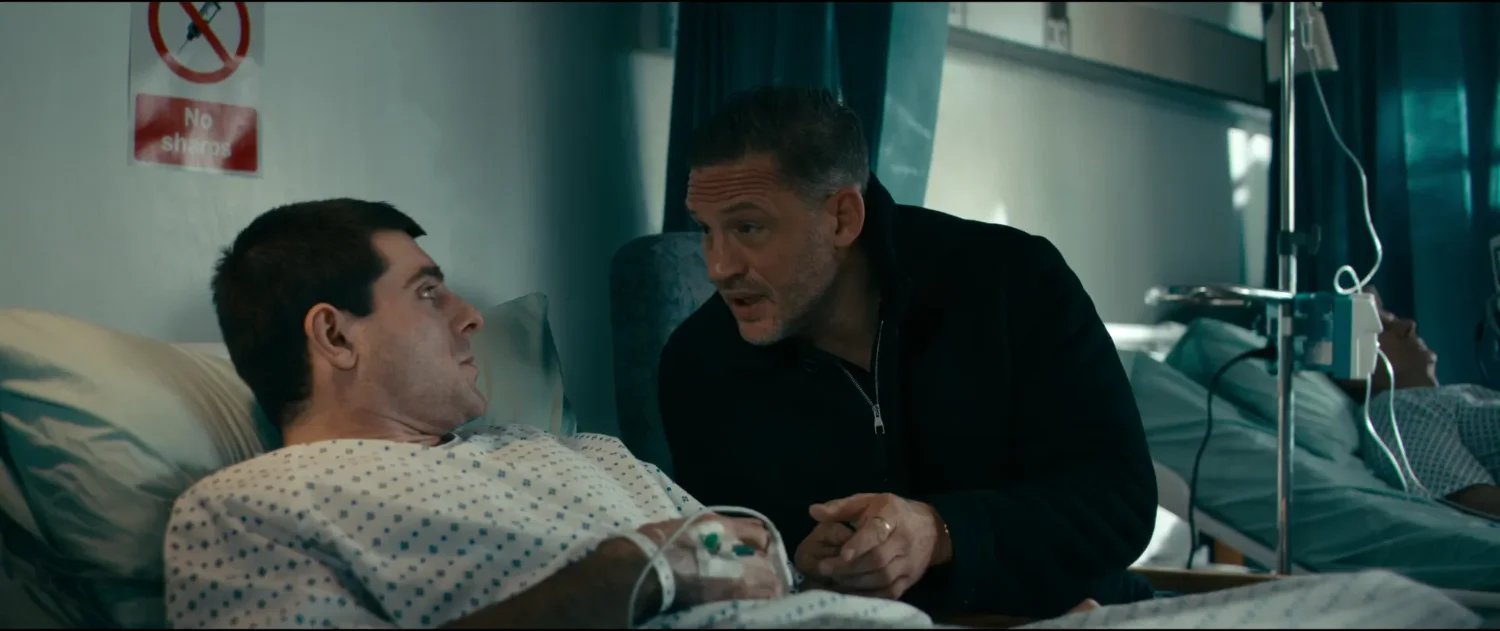
- Harry tracks down Hughie Campbell, who has survived and is in hospital. Using his network of police and hospital contacts, he gets close enough to pressure Hughie into telling officers he can’t remember who stabbed him.
- Back at the Harrigan side, Harry disposes of Eddie’s blood‑stained clothes, eliminating physical evidence.
This is where Hardy’s conception of Harry as a “reasonable gangster” really comes through. He doesn’t rant or posture; he moves quietly, efficiently, and ruthlessly. The episode is careful to show the bureaucratic side of crime—CCTV systems, hospital forms, police statements—alongside the violence.
The cost of that efficiency, however, is pushed onto Harry’s personal life.
The Home Front: Jan, Therapy, and the Emotional Bill
While Harry is out sanitising the club stabbing, his wife Jan Da Souza is trying to salvage their marriage.
Episode 1 spends meaningful time in group therapy sessions, where Jan meets Alice Barnes/Nicola. These scenes are where MobLand leans into the family‑drama side of its premise: Jan opens up about living with a partner who keeps secrets, refuses couples therapy, and seems more emotionally available to his criminal bosses than to his own family.
We also meet their teenage daughter Gina, who adds some dark humour but also sharpens the sense that Harry’s work is corroding the family unit. Arguments at home about missed sessions and broken promises play directly against scenes of Harry excelling at his “job” for the Harrigans.
Crucially, the episode doesn’t give Jan easy answers. She’s not framed as naïve; she knows Harry is dangerous. But the therapy sequences, and her bond with Alice, begin sketching out an alternative emotional world where Harry’s style of “reasonable” violence has no currency.
The Stevensons React: A Missing Son and an Ultimatum
While the Harrigans are sweeping up Eddie’s mess, the Stevensons realise something is wrong.
Tommy Stevenson never comes home. His mother, Vron Stevenson, pushes her husband Richie to find their son. Richie sends out enforcer Charlie Sweet to investigate, and it doesn’t take long before a key fact emerges: Tommy was last seen with Eddie Harrigan.
For Richie, this is more than a missing‑person case—it looks like a potential power play. In a tense phone call to Kevin, he suggests that if anything has happened to Tommy, the Harrigans might have used him as leverage in the ongoing battle over fentanyl territory. He doesn’t make idle threats; he explicitly warns Kevin that if Tommy is hurt or dead, there will be war.
Kevin, realising Eddie conveniently left Tommy out of his story, calls Harry again and rips him away from Jan yet another time. The show is methodically tightening the screws:
- On the Harrigan side, the secret is that Eddie stabbed someone and Tommy is missing.
- On the Stevenson side, the fear is that Tommy has been kidnapped or killed as part of a business move.
Nobody yet knows exactly what has happened to Tommy, but the perception is already enough to justify violence.
Neutral Ground: Moody’s Gym and a War Deferred
With tensions escalating, Harry escalates the issue up to Conrad. The short‑term solution is to buy time and prevent an immediate shoot‑out.
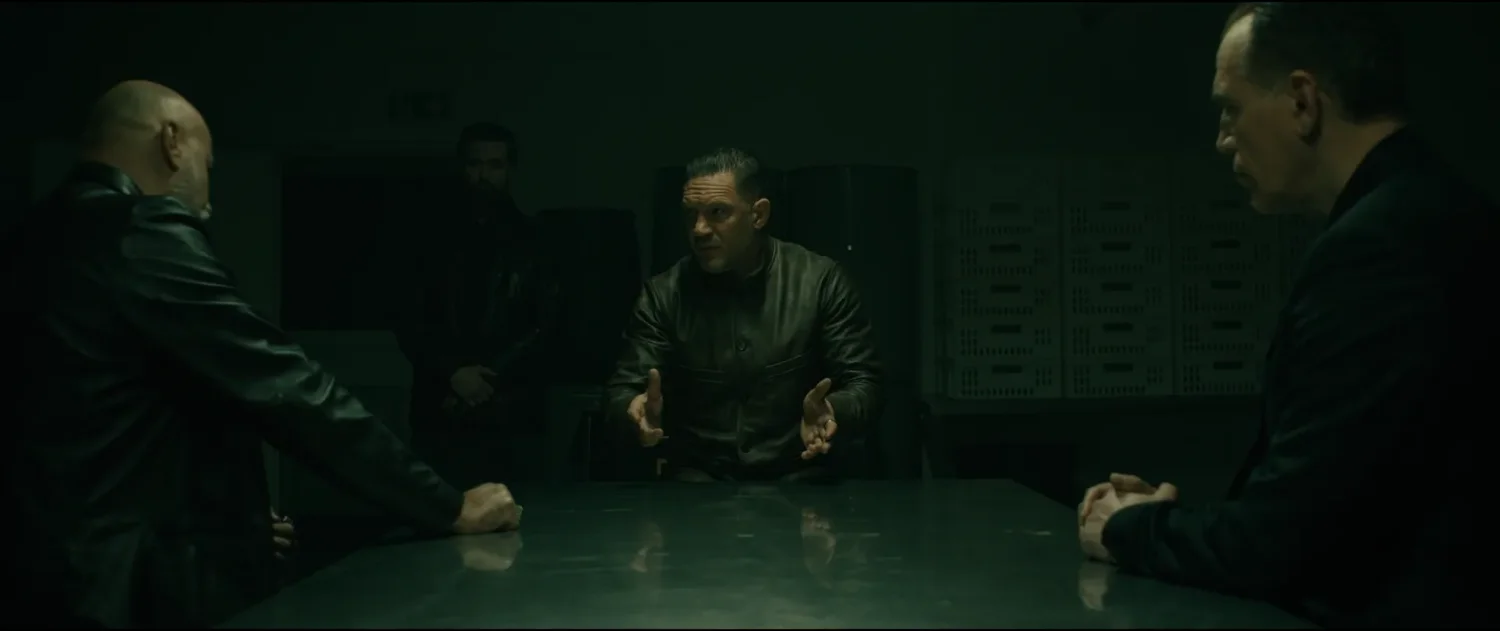
Harry arranges a sit‑down at Moody’s gym, a neutral territory run by Moody, who takes a very literal cut from mob diplomacy. Each side has to put down a £50,000 peace deposit, which he’ll only return if they behave themselves for 48 hours. It’s a small, specific financial detail that underlines how MobLand mixes old‑school gangster rituals with a ledger‑driven mentality.
Harry arrives with two armed associates, Zosia and Kiko, waiting outside as backup. Richie shows up already on edge. He demands answers about Tommy and threatens open war if his son isn’t returned quickly. Different recaps give slightly varied hour‑counts for Richie’s ultimatum—roughly 18 to 24 hours—but they all agree on the core: Tommy must reappear within a day, or blood will flow.
Harry promises to personally investigate Tommy’s disappearance, and for the moment, that’s enough. Both men walk out, but the peace is paper‑thin.
Outside, Harry calls Conrad and pushes for a pre‑emptive strike: kill Richie now, before Tommy’s fate is fully known, and remove a dangerous rival. It’s a turning point—and it’s Maeve, not Conrad, who pulls them back from the brink.
She vetoes the hit, arguing that it’s the wrong time and telegraphing that if Richie is to be removed, she wants it done on her terms. This is one of the episode’s key power‑shift moments: Maeve isn’t just a mob wife in the background; she’s already overruling Conrad’s and Harry’s instincts on a major strategic decision.
The Bigger Game: Fentanyl, Archie, and the Meaning of “Stick or Twist”
Running parallel to the Eddie/Tommy crisis is a more strategic storyline that will drive the whole season: the Harrigans’ move into the fentanyl trade and the question of who, inside the family, gets to call the shots.
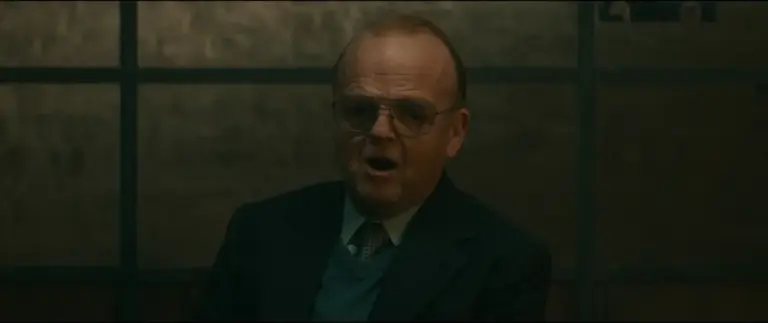
We see Conrad visiting his longtime friend and advisor Archie Hammond at his countryside estate. Archie warns Conrad against entering fentanyl, arguing that it’s Richie Stevenson’s territory and that muscling in will trigger a war with unpredictable consequences. Conrad jokes his concerns away, but privately, he starts to question whether Archie is “batting for Richie.”
Back in the city, Maeve tells Conrad outright that she thinks Archie is a traitor. She advises Conrad to raise fentanyl at the next family meeting and watch Archie’s reaction.
At that meeting, Conrad gathers Kevin, Seraphina, Brendan, O’Hara Delaney and Archie. He starts by praising how far the family has come, then lays out a new plan: let the Mexicans and the Stevensons weaken each other over fentanyl, then undercut them on price and seize the market. It’s a cold strategy—profit over peace.
As Maeve predicted, Archie objects. He insists that fentanyl should be Richie’s game, not the Harrigans’. In Maeve’s framing, that’s as good as siding with the enemy.
What follows gives the episode its title and its haunting final image. Maeve confronts Archie directly about betrayal. Conrad steps out of the room for a moment, then comes back, kneels in front of his oldest friend, takes his hands—and, after Maeve says the line “stick or twist, baby, stick or twist,” he shoots Archie in the chest at point‑blank range.
The title phrase, borrowed from card‑table slang, becomes a metaphor for Conrad’s choice:
- Stick with the old consigliere who counsels caution and status quo.
- Twist—take a risk, back Maeve’s aggressive strategy, and plunge into a new, deadlier market.
Conrad twists. Archie dies on the carpet, in front of the assembled family.
The episode ends not with triumph but with emotional fracture. Conrad is visibly shaken by killing his oldest friend. Maeve reaches out to comfort him; he jerks away and shouts at her to get her hands off him. In that rejection, the show crystallises a key tension for the rest of Season 1: Conrad may be the nominal boss, but Maeve is increasingly the architect of the family’s future, even as her husband recoils from what that future costs him.
Why “Stick or Twist” Works as a Pilot
Beyond the visceral twists, what makes MobLand’s first episode stand out is how much it compresses into a single hour without losing coherence:
- It introduces two major crime families—the Harrigans and the Stevensons—and an extensive supporting cast: from Kevin and Bella to Vron Stevenson, Charlie Sweet, Valjon, Moody, and O’Hara Delaney.
- It sets up the central mystery (What happened to Tommy Stevenson?) and a looming drug‑market expansion (fentanyl) that will power Season 1’s arc.
- It defines Harry as the pivot between worlds: the man Conrad trusts to handle massacres and PR, and the husband Jan trusts less and less.
- It positions Maeve as a strategic force whose decisions—like overruling Richie’s assassination and pushing Conrad to kill Archie—reshape the entire playing field.
Critically, early reviews aligned with audience interest. Rotten Tomatoes would eventually tally a 76% critic score for Season 1, and Metacritic landed at 60/100, with critics noting that while MobLand doesn’t reinvent the genre, Episode 1 in particular “deftly balances the fun and the violence.” Paramount’s viewership stats back that up, with the pilot propelling MobLand into the streamer’s Top 2 original series by June 2025.
By the time the credits of “Stick or Twist” roll—over the Fontaines D.C. opening theme “Starburster” that bookends the episode—it’s clear what kind of show this is going to be: a family saga where every business decision is personal, every personal slight can become geopolitical, and one bad night in a club can escalate into a war.
For anyone coming to MobLand fresh, this premiere doesn’t just introduce the characters; it shuffles them straight into crisis and dares you to see who will stick, who will twist, and who won’t survive the next hand.